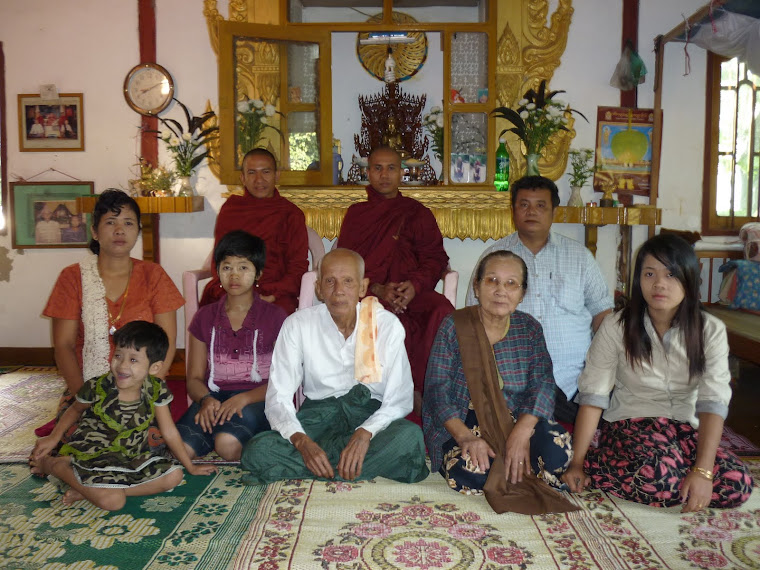
ေရႊဧည့္မ်ား အၾကဳံေပးရန္အတြက္

This is default featured post 1 title

Go to Blogger edit html and find these sentences.Now replace these sentences with your own descriptions.

This is default featured post 2 title

Go to Blogger edit html and find these sentences.Now replace these sentences with your own descriptions.

This is default featured post 3 title

Go to Blogger edit html and find these sentences.Now replace these sentences with your own descriptions.

This is default featured post 4 title

Go to Blogger edit html and find these sentences.Now replace these sentences with your own descriptions.

This is default featured post 5 title

Go to Blogger edit html and find these sentences.Now replace these sentences with your own descriptions.

Thursday, July 22, 2010

The origin of religion through different kinds of approachs


The origin of religion through different kinds of approaches

Introduction

First, some philosophers of religion hold that historians of religions are essentially philosophers of religion, or they ought to be if they are not already. To them, the religion-scientific inquiry of the history of religions is an important tool to develop an adequate philosophy of religion, which transcends the regional and subjective elements involved in all religious systems. Or, to put it differently, they may say that all religions are manifestations of, or a search for, one underlying primordial "religion" and the task of the history of religions is, in co-operation with the philosophy of religion, to study the relation between religion and religions and to enlighten a confused humanity so that it will eventually move toward the absolute truth.

Second, there are those who hold that the so-called objective approach of the history of religions is not objective enough, because of the very nature of the subject matter. Thus they urge historians of religions to concentrate more on the historical, phenomenological, and institutional aspects of religions, depending heavily on the co-operation and assistance of anthropologists, sociologists, philologists, and universal as well as regional historians.

There is a third group who hold that the history of religions does not take seriously enough the subjective elements involved in the study of various religions. They sometimes compare historians of religions, uncharitably to be sure, to "flies crawling on the surface of a goldfish bowl, making accurate and complete observations on the fish inside . . . and indeed contributing much to our knowledge of the subject; but never asking themselves, and never finding out, how it feels to be a goldfish. " (Wilfred Cantwell Smith,” "The Comparative Study of Religion," Inaugural Lectures [Montreal: McGill University, 1950], p. 42.) What is important, according to this line of thinking, is to let the adherents of each religion speak for themselves about the nature of their own religious experiences, their views of the world and of life, and their own forms of beliefs and worship.

Finally, there are still others who rule out the possibility of religion-scientific approach to the study of religions on the grounds that each investigator is incurably conditioned by own religious and cultural background. On this basis they advocate the necessity of what might be termed as a theological history of religions, be it Islamic, Christian, or Hindu, as the only legitimate discipline. Closely related to this perspective is that of missionology or Missionswissenschaft, which utilizes the data and findings of Religionswissenschaft for apologetic purposes from the standpoint of Islamic, Christian, Buddhist, or Hindu faith.

All these criticisms have been raised by men and women in all walks of life. However, what concerns us particularly is the fact that the basic un-clarity of the discipline of the history of religions has created confusion regarding the place of the history of religions in the academic curriculum in this country. Generally speaking, there are three kinds of educational institutions which are concerned with the teaching of the history of religions. In the undergraduate colleges and universities the question of the history of religions is discussed in connection with the problem of the teaching of religion. In the graduate institutions questions are raised as to the legitimacy of the history of religions as an academic discipline, and also the relations of the research method to other disciplines. In the theological schools and seminaries, the questions of the history of religions are involved in the relations of Buddhism to other religions.

It must be made abundantly clear that the history of religions is not proposed as the only valid method of studying religions. Actually, it is only one among many different approaches, such as philosophy of religion, psychology of religion, sociology of religion, and theology. Unlike philosophy of religion and theology, however, the history of religions does not "indorse" any particular system offered by the diverse religions of the world, nor does it advocate, as many ultra-liberals think it ought, any new universal synthetic religion. On the other hand, there are those who study other religions much as the commander of an invading army investigates enemy territory, and with much the same motivations. Such an approach is, of course, not acceptable to the history of religions, for this discipline does not prove the superiority of any particular religion over others.

There are three essential qualities underlying the discipline of the history of religions: First is a sympathetic understanding of religions other than one’s own. Second is an attitude of self-criticism, or even skepticism, about one’s own religious background. And third is the "scientific" temper.

Historically, the encounter of different peoples and religions has often resulted in serious conflicts and the subjugation of one group by another, but in some cases it has also fostered sympathetic understanding and mutual respect among individuals of different backgrounds. Sometimes, knowledge of other religions, or a crisis in one’s life, leads one to question one’s own religious faith. Therefore, they are the origin of religion through different kinds of approach in the introduction.

I m grateful to professor for his kindness in preparing the origin of religion through different kinds of approach and thank the religion of Pali Commission professor for giving to use the origin of religion through different kinds of approach prepared by my writing. I express my gratitude to professor for kindly preparing the assignment. Finally, my thanks are due to professor of B.P.U for his kind help and advice in many ways and to the origin of religion through different kinds of approach for bringing out the procedure of topic.

The origin of religion through different kinds of approaches

According to historical point of views, one cannot discuss the origin of religion through different kinds of approach without taking into the prevailing views because theory of the origin of religion is the prevailing views, religion accept the views of the highest of right understanding. These are Jiana, Brahma, Hindu, and Buddhism. Therefore these are called the origin of religion through different kinds of religion approach. Hence, historian and scholars believe that the history of the origin of religion through different kinds of an approach in India begin with Ariyan inversion until 19 century. In the same way, prehistory is a term used to describe the period before recorded history Originally coined the term Pré-historique in describing the finds he had made in the caves of southern frence It came into use in France in the 1830s to describe the time before writing, and the word "prehistoric" was introduced into English by Deniel Wilson in 1851.

The term "prehistory" can be used to refer to all time since the beginning of the universe, although it is more often used in referring to the period of time since life appeared on Earth, or even more specifically to the time since human-like beings appeared. In dividing up human prehistory, prehistorians typically use the three age system, whereas scholars of pre-human time periods typically use the well defined Rock record and its internationally defined stratum base within the geologic time scale. The three-age system is the periodization of human prehistory into three consecutive time periods, named for their respective predominant tool-making technologies; the Stone Age, bronze Age, and Iron Age. The occurrence of written materials (and so the beginning of local "historic times") varies generally to cultures classified within either the late Bronze Age or within the Iron Age. Historians increasingly do not restrict themselves to evidence from written records and are coming to rely more upon evidence from the natural and social sciences, thereby blurring the distinction between the terms "history" and "prehistory." This view has recently been articulated by advocates of deep history.

Though, the history of religion is not concerned with theological claims apart from their historical significance. Some topic of this disciplines are historicity of religious figures, events, and evolution of doctrine matters. Because, by definition, there are no written record from human being prehistory, dating are prehistoric materials is particularly crucial to the enterprise. Clear techniques for dating were not well developed until the origin of religious. The primary researches into human prehistory are historic religion of archaeologists and physical aspects of religion are anthropologists who use excavation, geologic and geographic surveys, and other religion analysis to reveal and interpret the nature and various behaviors of preliterate and non literate people. Human population geneticists and historical linguists of religious are also providing valuable inside these questions. Religion culture anthropologist’s help to provide context of married and trade, by whish object of human origin are passed among people, thereby allowing for a rich analysis of any topic that arises in a human prehistoric and the origin of religion prehistoric context. Therefore, data about prehistory is provided by an individual variety of natural and social religion, such as Buddhist biology, archaeology, geology, comparative linguistics, anthropology, and many others.

On the other hand, Buddhism is one of the world's major religions. The teachings known as the Four Noble Truths are generally recognized as the core of Buddhism. The first truth is that life is suffering. Suffering continues through an endless chain of rebirths. The second truth is that suffering is caused by desire. The third is that desire can be ended, and the fourth is that right living according to Buddhist precepts (known as the Eightfold Path) is the way to end desire. With the ceasing of desire, beings enter nirvana, a state of release from existence. The striving toward nirvana also involves dedication to the Three Jewels. The first jewel is Buddha himself. The second is the dharma, or "universal law," the truth taught by Buddha. The sangha, or community of monks, is the third.

The founder of Buddhism, Siddhārtha Gautama, also known as Gautama Śākyamuni, was born in the kingdom of the Śākyas in northeastern India. The most commonly accepted dates for his life are c. 566 to c. 486 B.C.E. During this period, India was in a state of rapid political, social, and economic change. By about 600 B.C.E., a number of republics and kingdoms had arisen in northern India, and settled towns became a prominent part of life. Trade with western Asia and other parts of the world contributed to the growth of merchant and artisan classes.

The development of new urban centers and new social classes led to a tendency to pose fundamental philosophical questions, and the time was rich in philosophical and religious teachers. One of those was Vardhamāna, the founder of India's Jain religion, who lived and taught at roughly the same time as Buddha. According to Vardhamāna, the universe works according to an eternal law and everything in the universe has a soul. The purpose of living, in Jainism, is the purification of the soul in order to release the soul from the body. Although there are important differences between Jainism and Buddhism, there are also similarities, such as the idea of universal law, adherence to the principle of nonviolence, and the view of life as a movement toward release. These similarities suggest some of the ideas that were current at the time of the birth of Buddhism.

The details of the life of Siddhārtha Gautama are based on tradition because the first written accounts of his life and actions date from about two hundred years after his death. Siddhārtha is said to have been a prince. At his birth, the Brahmans, or priests, at his father's court foretold that the prince would either become a world-conquering monarch or a Buddha, which means "awakened one" or "enlightened one" in the classical Indian language of Sanskrit. Wishing to keep his son from taking up the life of a holy man, King Śuddhodana attempted to surround the child with luxury and comfort. Nevertheless, as a young man, Gautama saw old age, sickness, and death, which convinced him of the misery of the world. He also saw a wandering holy man and was inspired to leave home to seek wisdom.


For a time, Gautama starved himself and followed a regimen of extreme asceticism and self-mortification. He decided that his self-imposed suffering would not lead him to enlightenment, and he began to live in a more moderate manner. One morning, he sat down under an banyan tree, and according to Buddhist teaching, he vowed not to rise until he had achieved enlightenment. After struggles with the evil spirit Mara, the lord of passion, Gautama realized the truth about existence.


Buddha, as he had become, meditated on his realization for several weeks and then began to teach others. He preached his first sermon at the Deer Park in Sārnāth, about five miles from modern Banāras. As a result of this sermon, Buddha attracted his first five disciples, and these were followed by others. The full-time disciples of Buddha became monks and were known as the sangha, which means "community" or "order." Therefore, the major religion of Buddhism appeared in the earliest prehistory.

For example, once mankind develops a sophisticated level of speech, religion of some kind cannot be far behind. Superstition is an instinct which many of us today profess to be ashamed of. But in a primitive community, among all the dangers of nature, it is little more than common sense.

Clearly everything that grows and recreates itself, whether animal or plant, has a living spirit of some sort. And the wind and the water and the fire of the natural world seem far from dead, as they swirl about in their various ways. Mankind needs the cooperation of these aspects of nature. Religion, in the primitive form of animism (the need to befriend and appease the spirits within natural objects), is designed to secure it.


What can humans do to influence nature? Carrying out an appropriate ritual, whether in the form of dance, sacrifice or chant, seems to offer the best chance. As with any superstitious habit, a primitive religious custom is thought likely to work because it is believed to have worked in the past.

A ritual, by the time anyone is aware of its ritual nature, gives the impression of having been done from time immemorial. And the proof of its power is plain for all to see. The sun has gone on rising, the bison have reproduced themselves, and these crops have come up.

Rituals require people to carry them out - special people who have done this routine before, experts who have been taught the secrets, initiates with a link to the spirit world. There can hardly be religion without priests.


In primitive tribes the priests are the medicine men, known also as shamans. Their ability to communicate with the spirits is evident from the way they fall into trances - achieved usually either by self-hypnosis or by drugs. The medicine man's advice, when emerging from such a state, has uncanny force. Priesthood and politics, in any deeply religious society, are never far apart.


Ritual also requires explanation, and explanation involves one of the most basic human talents, that of storytelling. The spell-binding riches and infinite variety of the world's mythologies go back to such basic questions as how it all began, or why things happen as they do.

The gods of importance to primitive societies vary with the circumstances of the tribe, though nearly all give precedence to the sky. The sky is the largest fact of nature. With its ever-changing face, its sudden temper tantrums, its resident sun and moon, it is clearly a force to be reckoned with. In the creation stories of most mythologies a sky god is involved.


Hunter-gatherers are likely to have cults involving the animals of the chase (very probably a religious purpose lies behind the case paintings at Altamira and elsewhere). Pastoral groups will tend to have rituals linked with sheep or goats. Farmers, tilling theGenesis Cain offers the fields, worship with the fruits of the land. In Lord some of his crops, and Abel brings the first-born of his flock (the Lord prefers Abel's offering).

Primitive ritual frequently involves sacrifice. The life destroyed is offered to the god. If an animal's throat is cut, the blood on the altar carries the life force to the deity. If plants are consumed in flames, as a burnt offering, the smoke achieves the same purpose.


The rituals of agriculture are attached to specific moments in the year, such as the times of sowing or of harvest. The year itself also has moments of crisis which require the attention of the priests. New year is the prime example, just after the shortest day, when the sun must be congratulated and encouraged in its recovery.


The rhythm of human life demands similar care. In all religions there are rites of passage, marking some or all of the great events of birth, puberty, marriage and death. Life beyond death is important too. Everything necessary must be done for the spirit of the departed ancestor, who can in turn be relied on to help his living descendants.


All these elements can be found in tribal cults of the present day and traces of them survive in more sophisticated religions (ancestor worship is a central element in Confucianism, the Christian Eucharist symbolizes sacrifice). We have no direct evidence of the religious practices of mankind more than about 5000 years ago. But it is probably safe to assume that the rituals of hunter-gatherers and early farmers were at least similar to those of tribal societies today.

Precise knowledge of a past religion only becomes possible with written records, so ancient Egypt provides the first detailed mythology. But more mysterious traces of early religions survive also in prehistoric monuments such as Stonehenge.


All of these mention that an ambitious effort to study religious phenomena from a comparative perspective was impossible before the realization of the existence of religion through different kinds of approve. The acceptance of the origin of religion through different kinds of approaching of interpretation of social and physical universe coincided with the discovery of vast new territories and enabled the realization of the great variety of human religious experiences and belief in, particularly, all the world. The idea of regarding Buddhism as merely one of the religions, with no need to label other beliefs as heretical or pagan, preceded and enabled the development of comparative study of religions. The whole appearance of the concept of religion as a plural phenomenon required a shift from the monopoly of the religion into a plural interpretation of religion itself in the world. It is also important to realize that comparative religion is not atheistic other but includes atheism as object of study as well. It should be added that comparative religion, maintaining the goal of a greater understanding of these religions and secularization processes, does not advocated any single faith or ideology.

Comparative religion originated through different fields of inquiry; philology, psychology, and anthropology. All of these scholars were credited with establishing the philological strands are comparative religion in the earliest history. They were specializes in Indian classical languages in the Origin of religion different kinds of approaches. The philological study of that period relied mainly on the textual sources of such great ancient religion as Hinduism, Brahmanism, Buddhism, and others. The anthropological approaches to the study of religions were developed by the whole scholars. This orientation was based on the origin of religion cultural evolution and these research material consistent reports produced by people other than the scholars themselves and centered on the problem of the origin of religion so god primitive religion.

The term origin of religion is usually qualified as general or comparative in other countries, for example, field is referred to either as the word of Buddhism or other word of religion; in the Anglophonic world the term comparative religion or academic origin of religions are predominated. These have gained an established position, denoting the study of religion and general even though history of religion is usually defined as only one of the five main branches of study of religion long way the phenomenology of religion, the sociology of religion, the psychology of religion and the Anthropology of religion. The term comparative religion is thus a kind of an umbrella of many different approaches to an methods of dealing with religion as a historical, cultural and individual phenomenon consider in space and time. This list of subject reveals how varied the view point and problems uncounted and the original religions are. The methods used in different branches of religious origin often are not profoundly different from those applied in the corresponding general disciplines.

The history of religion of religion focuses on the centered problems of the origins of religions and their historical development. Through source criticism of the obtained material in order to prove its historical and religious value is fundamental part of such origin, and the methods used depend on the nature and quality of the material. It is common practice to divide religions into two categories, dependent on whether their sources are principally in written documents or oral traditions. In the former case—in the so-called historical analysis of texts and documents. In the case of cultures not based on written materials, known as primitive or illiterate (non-literate) religions, conclusions concerning their history have to be arrived at on the basis of oral tradition. However, there are called the origin of religion through different kinds of approach.

In conclusion, there are many kinds of religious an India which are these and those characteristics of mention about the historical point of view. We may find out the assignment of the topic as much as we would like to write down that there is some information about the religious in those days. Somehow, we express our gratitude to professor of B.P.U for kindly preparing the topic. Finally, my thanks are due to professor for his kind help and advice in many ways, and to the origin of religion through different kinds of approach bringing out this assignment

Sunday, June 20, 2010

This is my sharing slideshow for you.


Tuesday, June 15, 2010

This is the method analysis

This is the speech of Jawaharlal Nehru
I would like to represent about this speech on the keynote by JaWaharLal NehRu from India. “We live in an age of conflict and war, of hatred and violence, all over the world. Never before has the need been greater for all of us to remember that immortal message which Lord Buddha, the greatest and noblest of the sons of India, gave to us, and to you, and to the entire world. That message of two thousand five hundred years ago is a living message today, enshrined in our hearts, and we draw inspiration from it to face the troubles and difficulties that threaten to overwhelm us.”
JaWaHarLal NehRu
Today we are living in an age of science---an age where man is inclined to accept the truth of anything by observation and experiment rather than by mere belief. With the recent advances of science man is becoming more and more rationalistic in his outlook and blind belief is fast disappearing.
Science in general has been leveled against religion. This threat has been leveled against religious conceptions of man and the universe from the time of Copernicus, Galileo, and Bruno (17th century) who were instrumental in altering erroneous notions of the universe. The theory of evolution and modern psychology went against the accepted religious conception of man and his mind recorded in ‘Sacred Writings’.
Has Buddhism suffered the same fate? Does modern science look unkindly at Buddhism? Whatever the critics of Buddhism may say, the dispassionate man of early Buddhism will realize that the basic principles of Buddhism are in harmony with finding of science and not opposed to them in any way.
“Early Buddhism emphasizes the importance of the scientific outlook in dealing with the problems of morality and religions. Its specific ‘dogmas’ are said to be capable of verification. And its general account of the nature of man and the universe is one that accord with the finding of science rather than being at variance with them………
There is, of course, no theory of biological evolution as such mentioned in the Buddhist texts, but man and society as well as worlds are pictured as changing and evolving in accordance with causal law.
“Then in psychology we find early Buddhism regarding man as a psychophysical unit whose ‘psyche’ is not a changeless soul but a dynamic continuum composed of a conscious mind as well as an unconscious in which is stored the residual of emotionally charged memories going back to childhood as well as into past lives. Such a mind is said to be impelled to act under the influence of there types of desires— the desire for sense-gratification (Kāma-taṇhā), the desire for self preservation (Bhava-ṇhā) and the desire for destruction (Vibhava-ṇhā). Except for the belief in rebirth, this conception of mind sounds very modern, and one cannot also fail to observe the parallel between the three-fold desire in Buddhism and the Freudian conceptions of the Eros, libido, and Khanates.”
It must be mentioned that the Buddhist way of life, the Buddhist method of grasping the highest truth, awakening from ignorance of full Knowledge, does not depend on mere academic intellectual development or on science but on the adoption of a practical teaching that leads the follower to enlightenment and final deliverance. The Buddha was more concerned with beings than with inanimate nature. His sole object was to unravel the mystery of existence so far as the being is concerned and thereby to solve the problem of becoming. This he did by comprehending in all their fullness the Four Noble Truths, the eternal verities of life. This knowledge of the truths he tried to impart to those who sought it, and never forced it upon others. He never compelled people to follow him, for compulsion and coercion were alien to his method of teaching. Buddhism is free from compulsion and coercion and does not demand of the follower of blind faith. At the very outset the skeptic will be pleased to hear of its call for investigation. Buddhism from beginning to end, I open to all those who have eyes to see and a mind to understand. Instead of encouraging his disciples to believe him blindly, he wished them to investigate his teaching which invited the seeker to ‘come and see’ (Ehipssika). It is seeing and understanding, and not build believing, that the Buddha approves.
Today there is ceaseless work going on in all directions to improve the world. Scientists are pursuing their methods and experiment with undiminished vigor and determination. Modern discoveries and methods of communication and contact have produced starting results. All these improvements, though they have their benefits and advantages, are entirely material and external in nature. The scientist has brought the external world under his sway, and seems to promise that he can turn this world into a paradise. But man cannot yet control his mind, despite all the achievements of science. Within this conflux of mind and body of man, however, there are unexplored marvels to occupy men of science for many years.
To the scientist, knowledge is something that ties him more and more to this sentient existence. That knowledge, therefore, is not saving knowledge. To one who views the world and all it holds in its proper perspective, the primary concern of life is not mere speculation or vain voyaging into the gaining of true happiness and freedom from ill or un-satisfactoriness (Dukkha). To him true knowledge depends on the central question: Is this learning according to actuality? Can it be of use to us in the conquest of mental peace and tranquility, of real happiness?
After all, a scientist or a plain man, if he has not understood the importance of conduct, the urgency for wholesome endeavor, the necessity to apply knowledge to life, is as far as the doctrine of the Buddha is concerned, an immature person, who has yet to negotiate many more hurdles before he wins the race of life and the immortal prize of Nibbana, supreme security from bondage.
The student of Buddhism who are not inclined to read large volumes on the Buddha and his teaching, May perhaps find this reading Discourse agreeable and useful. Those, however, bent on a comprehensive and detailed study of Buddhism, may all being be pleasure for all luxuries things, happiness, enjoying, healthy, wealthy, and getting present situation and present moment of being rich to promote all.

Tuesday, June 8, 2010

ႊThe third method of Buddhist Psychotherapy in Buddhism

Here, we have Buddhist psychotherapy. It means analytical and ethical system of mind and matter. Firstly, I would like to talk about Buddhist concept of Individual. Hence, Buddhist concept of Individual is related to words with reference to the analysis of Aggregates (Khandhā), Bases (Āyatana), Elements (Dhātu), Faculties (Indriya), and the four great Elements (Mahābuta). Limitless of personality base on internal (ajjhatika) and external (bahiddhā) effects. Both of these conditions influence personal behaviors with regard to the teaching of Dependant Origination. Analysis of Citta, Manoviññaṇa, the process of mental behaviors, analysis of behaviors, spiritual and purpose of the statement are recollected for psycho-physical problems. It is very short term for that. Although, I think we have short how to
discuss many point there. In this case, I think all of us have psychophysical problem. Therefore, we had beautiful there and than I am including myself. I think all of us had to know about the stanza of (Sabbe Puthujjanā Ummattakā) and so forth. Actually, after as I get it the formal lecture there are no teachings what we called psychotherapy. There are two aspects of Nāma and Rūpa. There is mentality and physical aspect of a person. We can compare Nama and Rūpa with the blind person and crippled person as to mental and physical aspects. In this condition, crippled person cannot walk but he can see and than he keep the blind person. The blind person cannot see but can walk. Therefore, the crippled person keeps on his shoulder. If the blind person is walk, the crippled person can see the guiding on the
ways and paths and so forth. The blind person and crippled person are going together in everywhere. On the other hand, we cannot be difference each other. The blind person and crippled person are not the same but they are interrelated to them. In the same way, mental and physical are connected with each other. We cannot separate from mental and physical problem. For the sake of definition and understanding, we said that there are psychological problem. But all of these are related to
psycho-physical problem and mental problem too. For example, there are four types of matter: Kamma (action), Citta (consciousness), Utu (temporariness), Āhāra (edible food) in the Abhidhammā. These are the causes for change of physical body. Although, all of these can change the physical aspect of human personality and
than Kamma means our actions or behaviors. It may be past, present, and future actions or behaviors. There is past Kamma, present Kamma or future Kamma. Our behaviors come to our body. And Citta cannot the past and so on. Here, Citta mean consciousness and thought process. Actually, our thought processes influence the physical body. It can be changed due to the process of thought. Utu mean temporariness, season or environment. According to the environment, everything is changed the physical body. Āhāra means edible food. According to Āhāra (edible food), our physical body is changed. Here, there are psychological and physical problem. For the change of the body, therefore, we can say physical treatment
because physical have also mental but can have both together. Therefore, we can be how to treated physical problem and mental problem too. In the other condition, there is one another specific course for Paññāparāda, and Prūmi. Paññāparāda mean intelligent crying. I think we never find the term and other findings. Intelligent crying we always make that. Actually, Paññāparāda there are three types of factors: memory, nature, and heart base. For example, we have memory and also all of us have memory. We remember many things but do you add according to your memory and also you never added. You know that if you ignore something that support there is unpleasant person. And than someone appreciate him and I never say he is good one but maybe he had done something good for me in the past. I know in my memory but I want to contact with him. Therefore, I am bad one but I am going against in my memory because I know well. I read my mind. And than I know that someone had done something good to me in the past. Now, I am again him than forgetting my memory I am saying the bad one. Therefore, it is called intelligent crying. And also we know the nature. We should be an environment and natural surrounding of the nature. If we go against the nature what happen and the modern technology is against the nature. If we have to cure one problem, thousands of problems will arise. Therefore, we are going against the nature. Another course for illnesses and the other one is our heart base, if we are against our heart base, it may refresh as an illnesses. Therefore, all of these are including Paññāparāda and there is also called Paññāparāda (intelligent crying). Anyway, Buddhism is also in the fact that therefore psychological problem means always related to physical body, physical environment,
internal physical body and external environment. On the one source of condition in Buddhism, Buddhist psychotherapy means physical thought. It is taking the consideration all these factors not only one. There is no purely mental one but physical aspect is also included. However, all these analysis of a person is related to the word in Buddhism also analysis physical and mental aspects go together. Naturally, some analysis emphasizes giving to physical aspect. Some analysis, mentality is giving to prominent place. For example, if you have five aggregates, they are matter aggregate; feeling aggregate, perception aggregate, mental formation aggregate and consciousness aggregate. In general, the personality is analysis into
the five aggregates. You see all of these four are mental but one is matter aggregate. That mean in this analysis emphasizes giving to mental aspects. In the other one, the personality is analysis into twelve bases in some places. They are:
(1) (Cakkhu) Eye, (Sota) Ear, (Ghāna) Nose, (Jīvhā) Tongue, (Kāya) Body, (Citta) Mind.
(2) (Rūpa) Form, (Saddā) Sound, Smell, (Ganda) Test, (Rassa) Touch, and (Dhamma) Nature object.
The first lines are table of bodies and also the second line are respective objects. They contact always together. Therefore, these analyses are called twelve bases. Here, you see the emphasizing is difference. According to Khandhā and Āyatana, mentality here is permanent place but physical aspect is many parts with the analysis. One Rūpa is analysis into twelve but one mind or thought is analysis into four. The emphasizing is also difference. Actually, the commentary said that those who are given the mentality aspects with the analysis of mentality into many parts and those who are given physical aspects with the analysis physical aspects into many parts. Secondly, there were many philosophers, hermits, Brahmanas and Samana during the time of Buddha in India. Thus, they were difference views and psychoanalysis their presented problems. In these method, some person had to take the meditation of perception aggregate as the thought; some people were taking the meditation of feeling aggregate as the thought process; and some human being had taken the meditation of mental
formation aggregate as a series of thought and consciousness aggregate as the process of thought. For that reason of analysis, they are impermanent nature of these terms expounded by the Buddha. According to Brahmajala Sutra, the lord Buddha taught that their belief were wrong. In moving towards the formal method for psychoanalysis, sixty-two views are explaining Brahmajāla. You see how thirty-six kinds of views are related to perception. In this conception, they are…….
(1) Kevalasattatavāra,
(2) Ekaccasattatavāra,
(3) Antānantikavāra,
(4) Amāravikhepavāra,
(5) Adhiccasamuppannavāra,
(6) Saññīvāra,
(7) Asaññīvara,
(8) Nevasaññā Nāsaññāvāra,
(9) Uccedavāra, and
(10) Dittha Dhamma Nibbānavāra etc…….
In addition to that this is seeing of difference views related to conception. According to Perception, there are sixteen kinds of views related to Saññī (conception), eight kinds of views related to Asaññī (absence of perception) and eight kinds of views related to Nevasaññā Nasaññā (neither perception nor non-perception). Out of the sixty-two, therefore, thirty-six are Saññā (perception). But they have developed,
difference and position in their meditational practicing. And than they have come to wrong conclusion but some aspect related to Saññā they say as the final. For instance, if someone is meditation on the position of something or Brhmacariya, he refresh on his meditation for many years. Finally, this is final and also this is deliverance. He always preaches that this is final deliverance. Actually, Buddha understands that it is one aspect of Saññā. That’s why, He analyze that it is also impermanence, suffering,
and non-soul. In this way, you know that these aspects and mentality are taking into consideration because of these effects. In the other hand, you know Pathavī, Tejo, Āpo, Vāyo, Sukhu, Dukha, and Jīva. One aspect presented that seven are impermanent of physical aspect. That’s why, these analysis you know if you take all these material aspect are impermanence. In the physical body, we have these five and all are impermanence. In the external world, we have these five and all are also
impermanence. Buddha said that we cannot take physical aspect as permanence. For the differing purpose, Buddha preached analysis. In another one, there are eighteen Elements. For the reason, we have how to get another six to these rules. They are: Eye consciousness, Ear consciousness, Nose consciousness, Tongue consciousness, Body consciousness, mind consciousness. As a result of research of contact
between Eye and form is Eye consciousness arises. When we have at least six into these rules, we become eighteen. Here, physical aspects as well as mental aspects are taking into consideration both equal. Here, there are two aspects of mental which are mind and thought. There are also six kinds that all are consciousnesses but I think all are eight parts that they are related to consciousnesses or mentality. In the one hand,
there are ten parts of physical body that ten parts are related to physical aspect. Both are analysis here. Therefore, this is called analysis because analysis of each and importance of all psychological problem not only psychological problem but regarding to other thing also analysis is importance. The first thing we should be able analyzed. If we are enable to analyze anything that mean we take anything as a hot. There is problem as they truly are. Everything we take as a hot because we are enabling to
analyze but everything in the world is analyzable. They are constituents but they are not unique. There are no unique in the world. All are combined together with many parts in order to understand we should be able to analyze these states. But psychological problem mean also one thing taking as a hot. If we take some mental and series of mental aspects as a hot, there is problem. In the other one, if we take one by one, there is no problem. There is the nature you know that everything
is based on the cause and effect. For the cause of series, there are farther period of time. Finally, it has the problem and we take this problem in order to this problem we should be able to analyze. For example, you know this personality if we take at once and than people thinks I am permanence. I have a thought and also I am transmigrated. I have an independent nature just because we take the personality as a hot. We are enabling to analyze but if we analyze like these into five aggregates (Khandhā), twelve bases (Āyatana) and eighteen elements (Dhātu), there are nothing. Buddha said Cakkhuṃ Anicca (Eye is impermanence), Sotaṃ Anicca (Ear is
impermanence), Ghānaṃ Anicca (Nose is impermanence), Tongue is impermanence, body is impermanence, mind is impermanence, Rūpaṃ Anicca (Form is impermanence) where did you find out any source. And then everything is impermanence. If everything is impermanence, it is unsatisfactory or suffering. If everything is suffering, it is non-soul. If everything is non-soul, there is nothing to take as mind or as a permanent thing. In every science, the metal problem arises because taking as a hot that the perfect is explained in Buddhism. The verse is Etaṃ mama eso ahaṃ hamasmi esome atta. This is the process of taking something as a hot. In this process, we think this is mine and this belongs to me. Therefore, that is the first process of thing. Now, you know that in our life, my house, my money, my wife, my family, my children, my school, my degree, my opinion these are as a mine. These are the first line of thinking and these are mines too. Here, Etaṃ mama,
Mama means mine. Even a little child he was born if he had no personality. He could not think him. At first, the child thinks his mother and his father and gradually his sisters, his brothers, his house and his goal. These lines of talk arise first as a whole.
Support that even an adult if you liked something, you like something at first. You get happiness and also you should keep another one or as a mine. In the other hand, we want to unite together. After getting this one of the side, I don’t like these and those too separated thing. I want to identify the external thing as my atom. In the ancient period, there is one statement in Upanishra and the Vedic literature. When they
got married them, they were how to get married them in according with the verse (Yathā pati rudhayaṃ tāva, tathā pati rudhayaṃ mama). Not only this heart of mine is you but that heart of you is mine because there is no too much difference. I think we want to unite together and we create to contact of “I”, “Ahaṃ” and “Eso ahaṃ asmi”. There is the second mistake but not difference. Actually, we have long specific term
of indication. Now, we know there are two things which are Minna and Ina. This is my thought “Eso me attāti” that the concept of false arises as a process of thinking. That’s way, Buddha said, you know that the idea of head come to be not at once as a process minor, Ina or thought. It begin permanent concept. According to Buddhism, there is source and Buddha had not denied. But it is this concept of source depends on this one. And gradually if we can eliminate our complication as minor, Ina is disappeared. When Ina disappeared, it is the four Noble truths on this. All these things are
taking as mind. You know Cakku meaning eye is taking as mind. Cakkhu identified is mind, taking as mind and as my thought. All these parts are taking into the mind through this process. Altogether, they begin the concept of thought. These analysis are importance in order to understand their real natures because even the problem too. When the particular problem arises, there is nothing happen. On the other hand,
there are two aspects of theory in Buddhism. These are one cause of the theory (Eka Hetu Vara) and causeless theory (Ahetuka Vara). These two are rejected because nothing happen is one cause (Eka Hetu Vara) and (Ahetuka Vara) nothing happen without cause. In the cause of Buddhism, everything is happen because many cause and condition and therefore there is Buddhist idea. But most of religions they think there is one cause. For sometime, they say there is no cause but everything happen
due to many causes and conditions. Among them, there may be some important causes and insignificant causes. Therefore, these are called causes and conditions. If we take problem, we have problem. Here, problem means the collection of many causes and conditions. The problem is very far but problem is for research. Firstly, we have to understand that it problem is not uniting. It is related to many causes and
conditions. We have to understand in order to the source of the problem no need to treat. Problem arises due to the circumstance what we do it. We have to analyze it. After analysis, we identify many causes and conditions and eliminate many causes and conditions. In these problems, we don’t know that all are included animals, men and women, family, things, earth, or something too. Their problems reasons have there. Now, they become to have problem because the world is going to be destroyed. And the problems have many causes because all are animals, pan-tree, fruit and the power as the collection of these things and also the problem are all created. If you analyze the problem, you ask one question where you see the earthquake. You go to that place and see that place etc. Actually, the problem is that we don’t understand
which the ignorance is. That’s way, in Buddhism said that every problems of the main cause are ignorance (Avijjā) with regarding to (Paticcasamuda) dependent origination. And all problems can be talk through right view (Sammā ditthi) in order to dispel ignorance we have to be analyzable. What we have to do it and how we have to understand the relationship? Among those effects, there are the main points.
Therefore, there are called analysis and teaching in Buddhism. Otherwise, the problem existed as well as we are ignorance of these effects their relationship. When we understand their disappeared as far as mental problem are concerned. There is important effect of the nature. According to psychological attitude of early Buddhist philosophy by Larma Anāgārika Govinda, he had given to his course what is the
diagram. Actually, what we do it and also to change the way of thinking of the people is possible. In the early India, early people had to think about creative and preservative. The early people watched on the moon and the sun. The early people thought that this is moon god and sun god at once. Actually, in the positive way they create some god. And the next generation, in the Vedic era and Brahma era, when they came to Brahma period, they introduce sacrificial system in order to that there
is preservative. They are not creative anything but they are preservations of these idea. When we come to Upanishra thinking and statement, they said that don’t take it and nothing. Actually, all are thought and they introduce another concept of thought. The essence of life is thought and also thought is permanent. Then they became meditate on the thought. Therefore, these are called creative and imagination.
After all, Buddha appeared in this world and they believed in the Buddha. They introduce many opinions of thoughts where the thought is good or bad and etc. Therefore, these are called preservative. They have no any creation states and preservation states. Buddha said that there are non-soul. Whatever, if you analyze by the aggregates, there are impermanence, suffering, and non-soul. Buddha gave another idea as a whole. After demise of the Buddha, we have Mahāyana, Theravāda, and Hināyana which are many opinions. Therefore, these are called preservative. Now, we are persevered our tradition and many opinions. Another Buddha should come in the future to anything and also this is the way of thinking. Then the world leader is like the Buddha. They appear in the world and change into the way of thinking of the people. How the way of thinking is going on? The problem are arise actually what I wanted to emphasize that all mental problem never arise at once.
Every problem arises due to many causes and conditions. After long period of time, today we identify our problem and the problems are started five year ago then in order to treat the problem well. We should be able to analyze that period time and find out the effect. We should be able identify there relationship. If we are explained to them, your problem has been relationship as to now and all of five year ago. If he
or she is intelligent, he or she will be eliminated.

Words (3,338)


May I know who is given to suggestions and I ‘m necessary to your suggestion if you research and find out any week point on the matter of topic when I had to recorded. Congratulation for your kindly apologized to commend me with in the best will.

May you be happy, enjoy, healthy,wealthy and getting present experience, luxury things and beautiful knowledge to reach your pinnacle goal.

Tuesday, June 1, 2010

ခ်မ္းသာျခင္း၏ရလာဒ္ပညာ


ေလာကၾကီးမွာရွိၾကေသာ လူသားတုိ႔အတြက္ ေကာင္းက်ဳိးကုိသာရည္ရြယ္ စာသားကုိ ေရးသားရျခင္းျဖစ္သည္။ ထုိ႔ေၾကာင့္ စာေပကုိျမတ္ႏုိးၾကေသာ စာေပပရိတ္သတ္အတြက္ အမွားအယြင္းပါခဲ့ပါလွ်င္ အၾကံေပးပါရန္ ေရွးဦးပထမ အႏူးညြတ္ေျပာပါရေစ။ ယဳ စာေရးသူအေနျဖင့္ ထက္ဆုိခ်င္သည္မွာ တုိက္ဆုိင္မႈေလးေတြရွိခဲ့ပါလွ်င္လည္း ခြင့္ျပဳေပးပါရန္ ေျပာဆုိအပ္သည္။ ယခုအခါ စာအုပ္ေလးကုိ ေရးသားရျခင္းသည္ အေကာင္းကုိသာ ရည္ညြန္းေစခ်င္ပါသည္။ အဘယ္လည္းဆုိသည္မွာ ခ်မ္းသာျခင္း၏ရလာဒ္သည္ ေလာကလူသားတုိင္းကလုိခ်င္ ေတာင္းတ ျခင္းေၾကာင့္သာျဖစ္ေပသည္။ သုိ႔ေသာ္ပညာသင္ၾကားရန္ပင္ေမ့ေလွ်ာ့သြားၾကသည္ အမွန္ပင္ျဖစ္ေပ သည္။ ထုိအရာေတြကုိ ျပန္စဥ္းစားၾကလွ်င္ ပထမအရြယ္တြင္ စာေပသင္ၾကားရန္လုိေပသည္။ ထုိသုိ႔ဆုိရျခင္းမွာ ေရွးထုံးကုိ မပယ္မူထက္ဆုိဦးအံ။ ေရွးပညာရွိတုိ႔၏ အယူအဆ အေတြးအေခၚ သည္ ေနာက္ေနာက္ေသာ ပညာရွင္တုိ႔အတြက္ လက္နက္ေကာင္းသဖြယ္ပင္ျဖစ္သည္ဆုိသည္မွာ အမွန္ပင္ျဖစ္ေပသည္။ အဘယ္ေၾကာင့္ဆုိေသာ ေအာက္ပါလကၤာကုိၾကည့္၍သိႏုိင္ပါသည္။

ပညာတန္ေဆာင္၊ ဥာဏ္အေရာင္ကား

မုိက္ေမွာင္ေဖ်ာက္ပယ္၊ ခ်မ္းသာၾကြယ္၏

တင့္တယ္ၾကီးပြား၊ က်င့္တရားကား

ထား စား ရင္းႏွီး၊ သုိမွီးအထူး

ဆည္းပူးဒါန၊ သီလ ကုိယ္က်င့္

ႏွဳိင္းခ်င့္ပညာ၊ မကြာသတိ

အျမဲရွိသည္၊ က၀ိသူမြန္ က်င့္ထုံးတည္း.......။ ။ ဟူ၍

ေရွးေရွးက၀ိသူမြန္တုိ႔၏ လကၤာကုိေထာက္ဆေသာအားျဖင့္ ယခုအခါစာေရးသူသည္ ဤ ခ်မ္းသာျခင္း ၏ ရလာဒ္ပညာ ကုိ ေရးသားျခင္းျဖစ္ပါသည္။ ေခတ္ပညာေရးတုိ႔သည္ ဒီေရပမာကဲ့သုိ႔ တုိးတက္လာ ေသာ ဒီေခတ္ဒီအခါသည္ ပညာေရးတုိးတက္သည္ႏွင့္အမွ် သိပၸံအတက္ပညာတုိ႔သည္လည္း တေန႔တျခား တုိးတက္ေနေပသည္။ လူသားတုိင္း လူသားတုိင္း တစ္ဦးခ်င္းဆီမွာ အတက္ပညာ တစ္ခု သုိ႔မဟုတ္ ပညာရပ္ တစ္ရပ္ရွိေနျပီျဖစ္ေသာ္လည္း စာေရးသူအေနျဖင့္ ဘ၀င္မမွ်ျဖစ္ေနမိပါသည္။ သုိ႔ေသာ္ လူေတာ္လူမြန္ မရွာေသာ ဒီေခတ္ ဒီအခါ၌ကား ေတာ္လြန္း ခၽြန္လြန္းေသာ လူည္ခၽြန္မ်ားျပား သည္ထက္မ်ားျပားေစရန္အတြက္ စာေရးသူသည္ ပုိ၍ေတာ္ေစေရးႏွင့္ ပညာ၏ခ်မ္းသာကုိရရွိႏုိင္ေရး အတြက္ ထပ္မံကာ ဤမည္ေသာ “ခ်မ္းသာျခင္း၏ရလာဒ္ပညာ” ကုိ ေရးသားအပ္သည္။ သုိ႔ေသာ္ ပညာရွင္မဟုတ္ေသးေသာ္လည္း အမွားရွိႏုိင္ပါသည္။ ထုိ႔ေၾကာင့္ စာေပျမတ္ႏုိးသူတုိ႔က အၾကံျပဳႏုိင္ပါ သည္။ အမွားပါလွ်င္လည္း ခြင့္လြတ္ေပးပါရန္ အႏူးညြတ္ထက္၍ ေျပာဆုိအပ္ပါသည္။

စာေရးသူ

ပုည(ရာမည)

၀ီရိယ ႏွင့္ လူသား

အခ်ိန္သည္ ဒီေရပမာ ရုတ္တရက္ ကုန္ဆုံးသြားၾကကုန္၏။ တေန႔တာ အလုပ္ကုိ လုပ္ၾကကုန္ေသာ လူသားတုိ႔သည္ ေန႔ရက္ေတြတာ ကုန္ဆုံးသြားၾကကုန္၏။ အလုပ္တုိ႔သည္သာ မကုန္ဆုံးပဲ ရွိေနျမဲ ရွိေနခဲ့ၾကကုန္၏။ အခ်ဳိ႕ေသာလူသားတုိ႔သည္ ျပင္းရိၾကကုန္၏။ အခ်ဳိ႕ေသာလူသားတုိ႔သည္ ပ်က္စီးၾကကုန္၏။ အခ်ဳိ႕ေသာလူသားတုိ႔သည္ ဥာဏ္ျဖင့္ဆင္ျခင္သိျမင္ၾကကုန္၏။ အခ်ဳိ႕ေသာ လူသားတုိ႔သည္ လုံ႔လ ၀ီရိယ အားထုတ္ျခင္းကုိျပဳလုပ္ၾကကုန္၏။ ကဲ့သုိ႔ ျပင္းရိျခင္း ပ်က္စီးျခင္းတုိ႔သည္ ၀ီရိယမဲ့ေသာ လူသားထံတည္ရွိေနျခင္းေၾကာင့္ပင္ျဖစ္သည္။ သူတုိ႔သည္ အခ်ိန္ကုန္သည္ႏွင့္အမွ်လည္းေကာင္း အရြယ္ၾကီး အသက္ၾကီးလာသည္ႏွင့္အမွ် ဆင္းရဲျခင္းဒုက သုကေပါင္းမ်ားစြာတုိ႔သည္ ခံၾကရကုန္၏။ ထုိမွမဟုတ္မူ ဥာဏ္ျဖင့္ ဆင္ျခင္သိျမင္ျခင္း လုံ႔လ ၀ီရိယ အားထုတ္ျခင္းျဖင့္ျပဳလုပ္ၾကကုန္ေသာ လူသားတုိ႔သည္ တစ္ေန႔တျခားတူမတူေအာင္ တုိးတက္လာၾက ကုန္၏။ ထုိ၀ီရိယႏွင့္ ျပည့္စုံေသာလူသားသည္ ေအာင္ျမင္မႈ၏ သရဖူကုိ အနီးကပ္ဆုံးရယူပုိင္ဆုိင္ခြင့္ အရွိဆုံးသူျဖစ္လာၾက၏။ ကမၻာေပၚတြင္ အေက်ာ္ၾကားဆုံး ခ်မ္းသာလြန္းေသာ အထူးခၽြန္ဆုံးေသာ အဘက္ဘက္ကျပည့္စုံၾကြယ္၀လာေသာ ပုဂၢဳလ္တုိ႔သည္ တစ္နည္းေျပာရလွ်င္ ၀ီရိယႏွင့္လူသားတုိ႔ သည္ပင္ အေကာင္းဆုံး ၀ီရိယႏွင့္က်ဳိးစားအားထုတ္ခဲ့ေသာေၾကာင့္ျဖစ္သည္။

Welcome To My Website ဓမၼအလကၤာ၀တ္ရည္ ပုည (ရာမညတုိင္း ဟံသာ၀တီျမိဳ႕ ပဲခူး) မွ ၾကဳိဆုိပါသည္
ဓမၼအလကၤာ၀တ္ရည္ ပုည
Hello Welcome to my website This is my first project

Connect With Us

After all, My mother and father are of vital importance within my life.

After all, My mother and father are of vital importance within my life.
My life base on myself but my life is suporting to my parent.

Instructions

သူတုိ႔ေလးေတြဟာ အနာဂါတ္ ဓမၼသူရဲေကာင္းေတြ

သူတုိ႔ေလးေတြဟာ အနာဂါတ္ ဓမၼသူရဲေကာင္းေတြ
ဓမၼသူရဲေကာင္းေတြလုိ႔ေျပာခ်င္ေသာ သေဘာႏွင့္ဆုိတာေတာ့ မဟုတ္ပါေခ်။ သူတုိ႔ဘ၀ရဲ႕ လမ္းေၾကာင္းမွာ သူတုိ႔ေလးေတြဟာ သဘာ၀ဓမၼ သူရဲေကာင္းေတြ႕ေပါ့။ အဲဒါေၾကာင့္ ဘယ္သူမဆုိ သူရဲေကာင္းျဖစ္ႏုိင္ပါတယ္။ သူရဲေကာင္း ဆုိတာ သူကုိယ္တုိင္ရဲ မွ ေကာင္းမြန္ႏုိင္ေသာ ဘ၀ကုိ ဖန္းတီးႏုိင္မွာျဖစ္ပါသည္။ သူကုိယ္တုိင္ မရဲဘူးဆုိရင္ေတာ့ ဘယ္သုိ႔ေသာ ေနရာမွာေကာင္းႏုိင္ေတာ့အံနည္း။ ထုိ႔ေၾကာင့္ သူတုိ႔ေလးေတြကုိ သူရဲေကာင္းဟုေခၚပါသည္။

ဘ၀အနာဂါတ္အတြက္ တြန္းအားအျပည့္ရွိေသာ သဘာ၀ဓမၼမိသားစု

ဘ၀အနာဂါတ္အတြက္ တြန္းအားအျပည့္ရွိေသာ သဘာ၀ဓမၼမိသားစု
ဘ၀ကုိ ရုိးသားမႈအျပည့္ရွိေသာ ခြန္အားေတြႏွင့္ တြန္းအားေပးကာ ဆုံးမၾသ၀ါဒႏွင့္ ခရီးဆက္သမွ်ကုိ မတြန္႔ေသာ အားေပးမႈေတြႏွင့္ က်ဳိးစားခဲ့ပါ အေမသားအလွကလ်ာရယ္လုိ႔ အေမကုိယ္တုိင္ အားေပးခဲ့ေသာ စကားသံေတြကုိ သဘာ၀ဓမၼတရား ခင္းက်င္းကာနာခံတာ မိသားစုတုိ႔၏ ခမ္းနားေသာ စကားပင္ျဖစ္ေပသည္။ ထုိအရာေတြသည္ သဘာ၀ဓမၼမိသားစုႏွင့္ အေကာင္းမြန္ဆုံး အေမေမတၱာေတြပင္ျဖစ္ေပသည္။

Blogger Tricks

Unlimited Free Image and File Hosting at MediaFireUnlimited Free Image and File Hosting at MediaFire
Welcome To My Websit ဓမၼအလကၤာ၀တ္ရည္ ပုည (ရာမညတုိင္း ဟံသာ၀တီျမိဳ႕ ပဲခူး) မွ ၾကဳိဆုိပါသည္
ဓမၼအလကၤာ၀တ္ရည္ ပုည
Hello Welcome to my website This is my first project

Share

Twitter Delicious Facebook Digg Stumbleupon Favorites